Dopamine Drives Your Actions
It controls what you crave and chase
By Shwetha B R | 08, Apr, 2026 10:54 AM

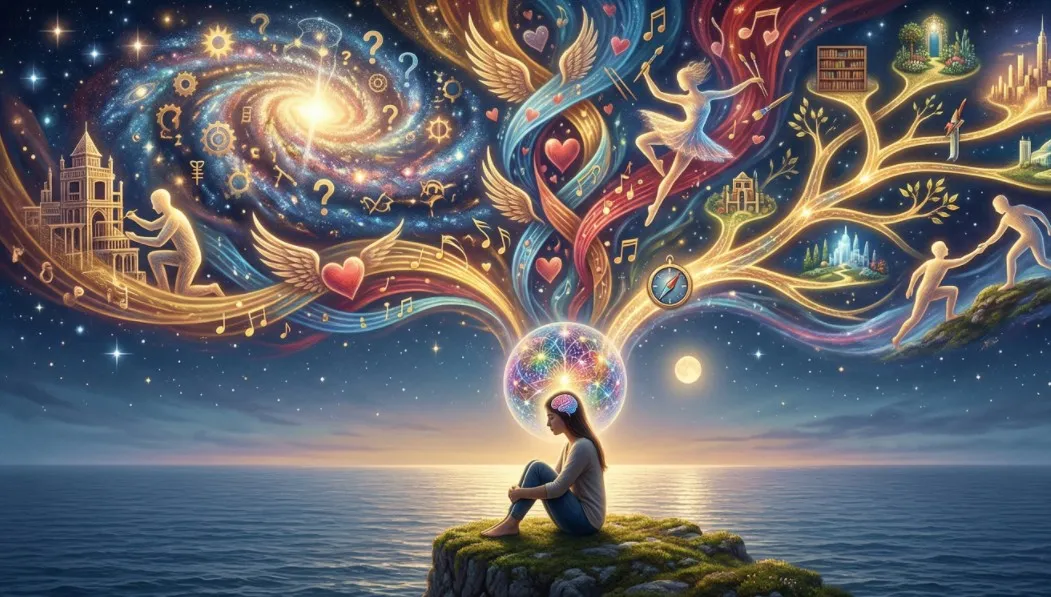
“What you chase daily is decided by your dopamine.”
Have you ever picked up your phone just to check the time and ended up scrolling for 30 minutes?
Or planned to finish an important task, but somehow your mind kept searching for “something easier” instead?
You are not weak.
You are not lazy.
Your brain is simply responding to dopamine.
Dopamine is one of the most powerful chemicals in the human brain. People often call it the “feel-good” hormone, but that explanation is incomplete.
Dopamine is not just about happiness.
It is about desire, motivation, reward, and repetition.
It is the reason you feel excited before receiving good news.
It is the reason social media keeps pulling your attention.
It is the reason some habits become difficult to break.
In simple words, dopamine is the brain’s way of saying the following:
“This feels rewarding… do it again.”
Dopamine Is Not the Problem
The human brain is beautifully designed. Dopamine helps us survive, grow, and achieve.
When you complete a goal, exercise, learn something new, or hear appreciation from someone you love, dopamine rises naturally.
That feeling motivates you to continue.
A student feels encouraged after scoring good marks.
A child smiles proudly after solving a puzzle.
A worker feels satisfied after completing a difficult task.
These are healthy dopamine experiences.
The problem begins when the brain starts receiving too much easy dopamine without effort.
How Modern Life Is Rewiring the Brain
Today, people live in a world full of instant rewards.
One swipe gives entertainment.
One click brings shopping.
One notification creates excitement.
Social media platforms, short videos, gaming, junk food, and endless scrolling constantly stimulate the brain.
The brain slowly gets used to quick pleasure.
Then something dangerous happens.
Normal life starts feeling "boring".
Studying feels hard.
Reading requires effort.
Real conversations feel less exciting.
Patience becomes weak.
Many people today are mentally overstimulated but emotionally empty.
That is why some people say the following:
- “I can’t focus anymore.”
- “I feel tired even without doing much.”
- “Nothing feels interesting.”
- “My mind is always distracted.”
Sometimes the issue is not intelligence or capability.
The brain has simply become addicted to constant stimulation.
A Simple Example Most People Will Relate To
Imagine a student sitting to study for exams.
Within five minutes, the phone is unlocked.
One notification becomes ten minutes of scrolling.
Ten minutes become one hour.
The brain chooses instant dopamine over long-term rewards.
Studying gives slow results.
Scrolling gives immediate stimulation.
Over time, concentration weakens. Motivation drops. Anxiety increases.
This is happening silently to millions of people today.
And not only students.
Even adults struggle with the same cycle, constantly checking phones, losing focus at work, feeling restless in silence, and becoming emotionally dependent on quick distractions.
What Happens When Dopamine Becomes Too High?
Too much stimulation can confuse the brain’s reward system.
When dopamine spikes happen repeatedly, the brain starts demanding more excitement to feel satisfied.
As a result:
- Small pleasures no longer feel enough.
- Focus decreases.
- Impulsive behaviour increases.
- Patience becomes weaker.
- Emotional stability gets affected.
Some people become addicted to social media, gaming, gambling, shopping, or unhealthy habits not because they truly enjoy them anymore, but because their brain keeps chasing the next dopamine hit.
Ironically, too much pleasure can slowly reduce the ability to feel genuine happiness.
What Happens When Dopamine Is Too Low?
Low dopamine can affect both the mind and body deeply.
A person may feel:
- Unmotivated.
- Emotionally drained.
- Mentally tired.
- Disconnected from life.
- Unable to focus.
- Less interested in things they once enjoyed.
Even simple tasks may feel exhausting.
This is why mental health should never be judged carelessly.
Sometimes people are not avoiding life because they are careless.
They are struggling internally in ways others cannot see.
Low dopamine is also linked with conditions like depression, ADHD, and Parkinson’s disease.
ADHD stands for Attention-Deficit/Hyperactivity Disorder.
Parkinson's disease is a progressive neurological disorder caused by the loss of dopamine-producing neurons in the brain.
The brain needs balance, not constant excitement and not emotional emptiness.
The Emotional Side of Dopamine
Human beings naturally move toward what feels rewarding.
That is why habits become powerful.
If your brain finds comfort in scrolling, overeating, or escaping reality, it repeats those patterns again and again.
But the hopeful truth is this:
The brain can change.
Small repeated actions slowly rewire the reward system.
A person who once hated exercise can eventually enjoy it.
A person addicted to distractions can slowly rebuild focus.
A person feeling mentally exhausted can recover emotional balance.
The brain learns from repetition.
Your daily habits quietly train your mind.
How to Maintain Healthy Dopamine Levels
Healthy dopamine does not mean avoiding happiness or pleasure.
It means teaching the brain to enjoy meaningful rewards instead of constant stimulation.
Some simple ways to maintain healthy dopamine levels are:
Move Your Body
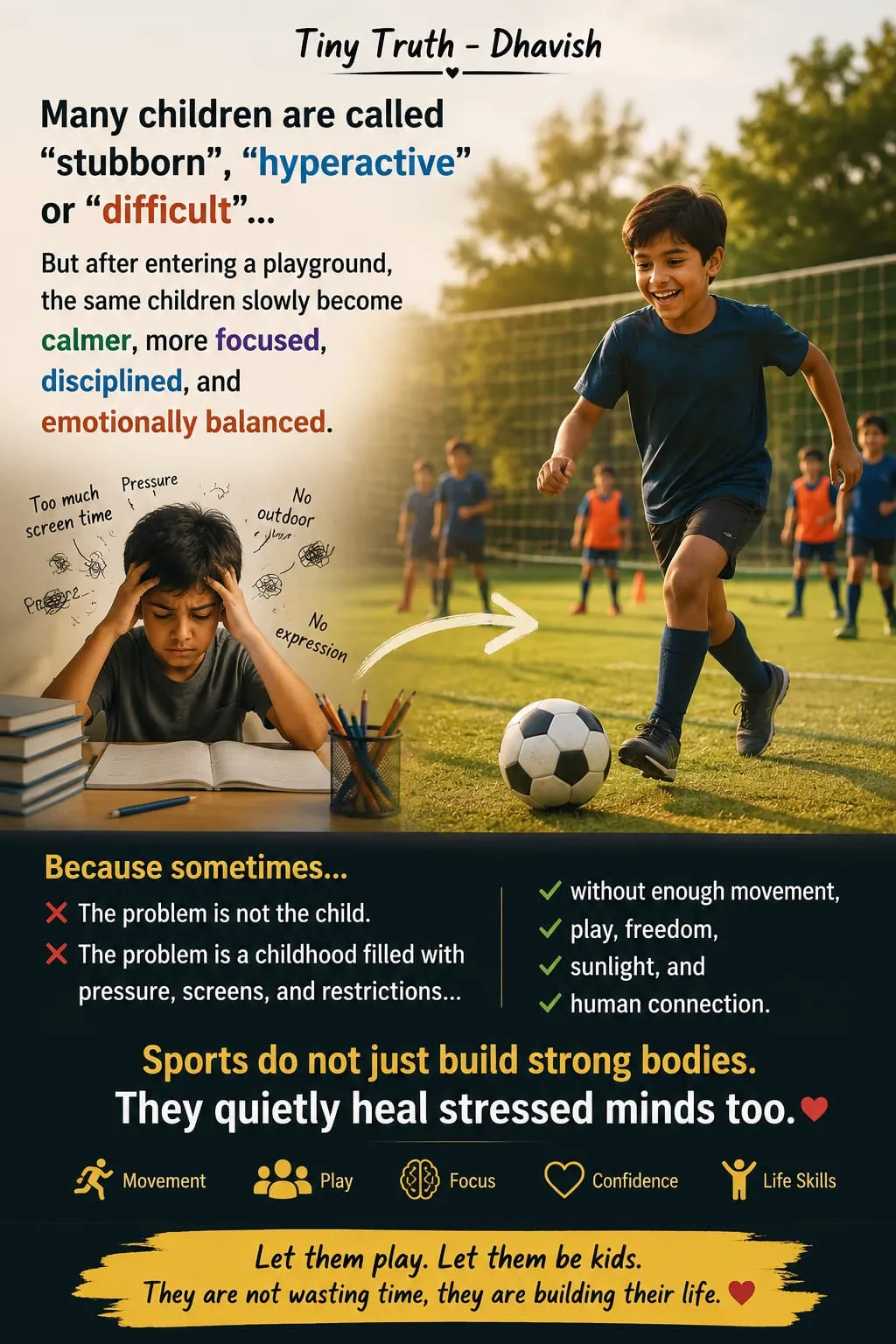
Exercise naturally boosts dopamine and improves emotional health.
Reduce Mindless Scrolling
Your brain needs silence and stillness, too.
Sleep Properly
Poor sleep affects mood, focus, and dopamine balance.
Set Small Achievable Goals
Even completing simple tasks gives the brain healthy rewards.
Spend Time with Real People
Genuine conversations heal the mind more than digital attention.
Learn Delayed Gratification
Not every reward needs to come instantly.
Practice Quiet Moments
Meditation, prayer, walking, or simply sitting without screens helps calm an overstimulated brain.
Final Thought:
Dopamine is not an enemy.
It is the chemical that helps people dream, create, love, achieve, and move forward in life.
But when the brain becomes dependent on endless easy rewards, it slowly loses the ability to enjoy ordinary moments, meaningful work, and real peace.
The scary part is that this change happens quietly.
A little more scrolling.
A little less focus.
A little less patience.
A little more emotional exhaustion.
And one day, people wonder why they feel disconnected from themselves.
The truth is simple:
Your habits are shaped by what your brain repeatedly finds rewarding.
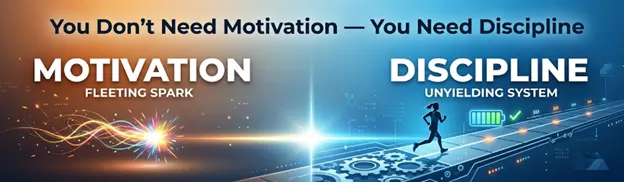
If you constantly feed the brain instant pleasure, discipline becomes painful.
But if you train the brain to enjoy growth, learning, effort, relationships, and purpose, dopamine becomes a powerful tool for a healthier and happier life.
Because in the end, the brain follows what we repeatedly teach it to chase.
Control your dopamine, or your habits will control you.