Why Do Kids Wear Slippers on the Wrong Feet?
Child psychologists explain why it happens, when it stops, and how parents should respond.
By Shwetha B R | 15, Jul, 2026 09:26 AM
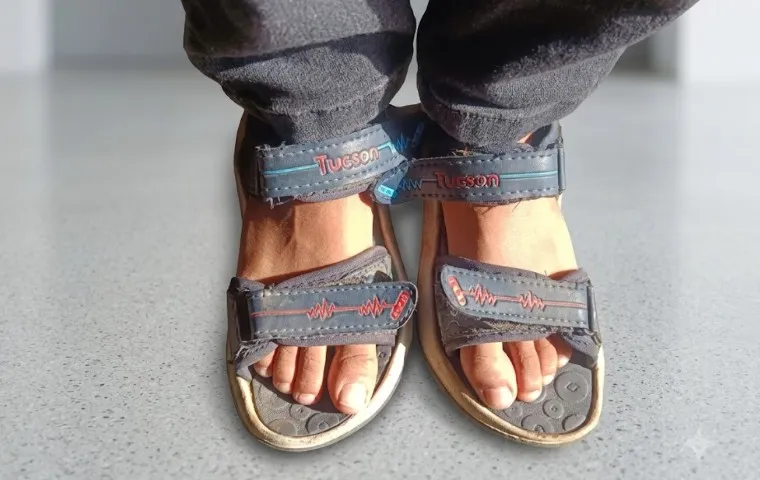
The Two Slippers That Made a Mother Stop and Smile
It was a busy morning.
A mother was packing the lunch box while her four-year-old rushed out of the room with a bright smile.
"Mom... I'm ready!"
Everything looked perfect – except the slippers.
The left slipper was on the right foot, and the right slipper was on the left.
She smiled, bent down to fix them, and suddenly wondered,
"Why does my child keep doing this?"
If you're a parent, you've probably seen this too. Some children wear their slippers on the wrong feet occasionally, while others seem to do it almost every day.
It may look like a funny little mistake, but child psychologists say it's usually a normal part of early childhood development. Those reversed slippers often reflect a growing brain, increasing independence, and a child who is learning through experience.
It's not carelessness – it's brain development.
For adults, wearing slippers correctly is automatic. Our brains have repeated the same action for years.
Young children, however, are still learning to understand left and right, body position, and spatial awareness. These skills develop gradually, not overnight.
To a three-year-old, both slippers may look almost identical. Their brain hasn't yet built the strong connections needed to quickly match the correct foot with the correct slipper.
So, the child isn't being careless.
They're still learning.
The Joy of Saying, "I Can Do It Myself"
There's another reason behind this common habit.
Young children love doing things independently. Whether it's wearing clothes, brushing their teeth, or putting on slippers, they enjoy proving that they can manage on their own.
When they wear their slippers – even on the wrong feet – they feel proud because they did it without help.
Parents often notice the mistake first.
Children notice the achievement first.
That difference matters.
Correcting the slippers is important, but protecting a child's confidence is even more important.
A Simple Morning Lesson
Imagine your child is excited to go to the park. In the rush, they wear their slippers on the wrong feet and happily run toward the door.
Instead of saying,
"You're wearing them wrong again!"
try asking.
"Do your feet feel comfortable?"
After a few steps, many children stop on their own.
"Something feels funny."
Without a lecture, they've discovered the answer themselves.
Small experiences like these help children connect actions with outcomes, making the lesson easier to remember than repeated instructions.
When Does This Habit Usually Stop?
Every child develops at their own pace.
Most children occasionally wear slippers on the wrong feet between two and five years of age.
By five to seven years, most naturally understand left and right and begin wearing footwear correctly without reminders.
Even then, don't be surprised if it happens during moments of excitement or distraction or when they're in a hurry.
However, if an older child consistently struggles with left-right understanding along with noticeable difficulties in balance, coordination, or other daily activities, it's a good idea to discuss it with a paediatrician or child development specialist.
The Right Way to Respond
The way parents react can make a lasting difference.
Imagine two different responses to the same situation.
One parent says,
"You never do anything properly."
Another smiles and says,
"You wore them yourself! Well done. Let's see if they feel comfortable."
Both parents correct the slippers.
But only one strengthens the child's confidence.
Children may not remember every instruction we give them, but they often remember how we made them feel while they were learning.
Simple encouragement creates children who are willing to keep trying.
What Parents Should - and Shouldn't - Do
A few small changes can make this stage of development a positive learning experience.
Do:
Appreciate your child's effort before correcting the mistake.
Teach left and right through games and everyday conversations.
Let children notice harmless mistakes on their own whenever it's safe.
Be patient and celebrate progress instead of expecting perfection.
Don't:
Label your child as careless or lazy.
Compare them with other children.
Scold or embarrass them over such small mistakes.
Take over every task instead of letting them learn independently.
Remember, children aren't trying to get it wrong.
They're trying to learn how to get it right.
A Childhood Memory Hidden in Two Small Slippers
One day, your child will wear their shoes correctly without thinking.
No reminders.
No mistakes.
No help.
Until then, there will be tiny moments like backwards slippers, mismatched socks, or shirts worn inside out.
To adults, these may seem like ordinary mistakes.
To a child, they are signs of courage, curiosity, and growing independence.
So, the next time your little one proudly walks toward you wearing slippers on the wrong feet, pause before correcting them.
You aren't just looking at a pair of misplaced slippers.
You're watching a young mind learn, a little heart gain confidence, and a child take one more step towards independence.
Sometimes, the smallest childhood habits tell the biggest stories.
Every child has their own little habits that make us smile. Has your child ever worn their slippers on the wrong feet or done something similar? Tell us about that special moment in the comments. Your story could help another parent see childhood through a new perspective.